
Robert Tanner Freeman
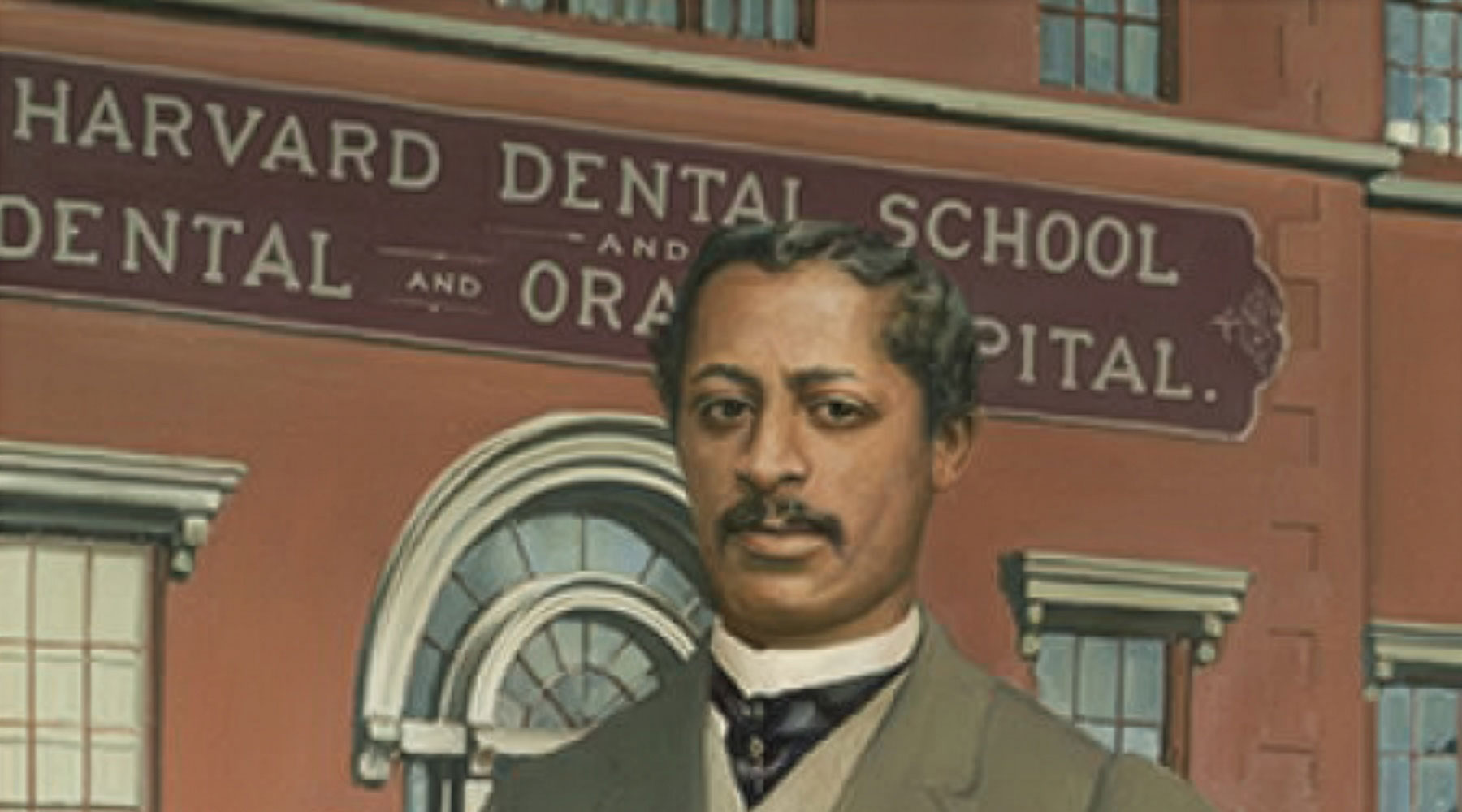
The first African American dentist to earn a degree in the United States
Robert Tanner Freeman is born around 1846 in Washington, D.C. His parents are enslaved, and his father works as a carpenter. When Robert is still a child, his family gains its freedom and moves to Raleigh, North Carolina. He grows up at a time when African Americans face considerable hardship and are often denied opportunities for education and professional advancement.
As he grows older, Freeman finds work at the dental practice of Dr Henry Bliss Noble in Washington, D.C. There, he begins to learn the art and science of dentistry. He carefully observes Noble at work, gains knowledge and experience, and discovers a strong interest in this field of medicine. Noble recognises his dedication and abilities and encourages him to continue his studies at a dental school.
Freeman applies to two dental schools, but his applications are rejected because of the colour of his skin. At that time, racial discrimination denies many African Americans equal opportunities in education and employment. Noble, however, does not let him give up on his dream. He encourages Freeman to apply to the newly established Harvard University School of Dental Medicine in Massachusetts, which is beginning to admit students without racial discrimination.
Freeman’s first application to Harvard is rejected. He does not give up, however, and submits a second application. The school’s dean and founder, Nathan Cooley Keep, supports his admission, defending the principle that race should not be a barrier to education. Freeman is interviewed and accepted alongside five other students. In 1868, he begins his studies as one of the six students in the first class at Harvard’s dental school.
In March 1869, Freeman graduates with a degree in dentistry. He becomes the first African American to earn a dental degree from an educational institution in the United States. His achievement opens a door that had long remained closed to many people because of racial discrimination.
After graduating, he returns to Washington, D.C., and opens his own dental practice in the same building where his mentor, Dr Noble, works. He treats his patients and becomes a role model for young African Americans who dream of pursuing a career in science or medicine. His journey shows how determination, knowledge and support can help people overcome significant barriers.
Sadly, his career is cut short. In 1873, just four years after graduating, Freeman dies from a waterborne illness at the age of around 27.
His legacy, however, lives on. In 1900, the Colored Dentists of Washington organisation is founded in Washington, D.C. In 1909, it is renamed the Robert Tanner Freeman Dental Society in honour of the pioneering dentist.
Explore
1. Discover your mouth!
It’s time to take a good look at yourself in the mirror! Find a mirror with your brothers and sisters or your parents, and look carefully at your faces. What parts make up our faces? Which parts do we use to see, smell and eat?
Let’s explore our mouths a little more! The mouth is very important because it helps us eat, drink and, of course, speak. Find an image showing the parts of the mouth here and study it carefully. How many parts can you recognise? What are they called? What does each one do?
2. Time to brush!
Our teeth are among the most important parts of the mouth that dentists look after. Dentists check their health, clean them and help us deal with any problems. But how do we take care of our own teeth?
You will need a cardboard egg carton. Turn it upside down: its little raised sections will become your teeth! If you like, paint it with watercolours. Then place small pieces of paper or string between the “teeth” to represent food particles that can get trapped between them.
Get your toothbrushes and dental floss ready, and start cleaning! How do we use a toothbrush? Which parts of the teeth should it reach? How do we clean between the teeth with dental floss?
Would you like to learn more about brushing your teeth properly? Watch the video here, or ask your dentist to show you the right way to brush. Happy brushing!
3. Explore the history of dentistry!
Did you know that the National and Kapodistrian University of Athens has a Museum of Dentistry? The Museum is housed in the university’s School of Dentistry and features a collection of objects that tell the story of dentistry and how the profession has developed over time.
Shall we discover some of them? Click here to watch the Museum’s video, and look carefully at the objects. How many dental instruments can you recognise? Which object impresses you the most? Which of these instruments does your own dentist use?