
James McCune Smith
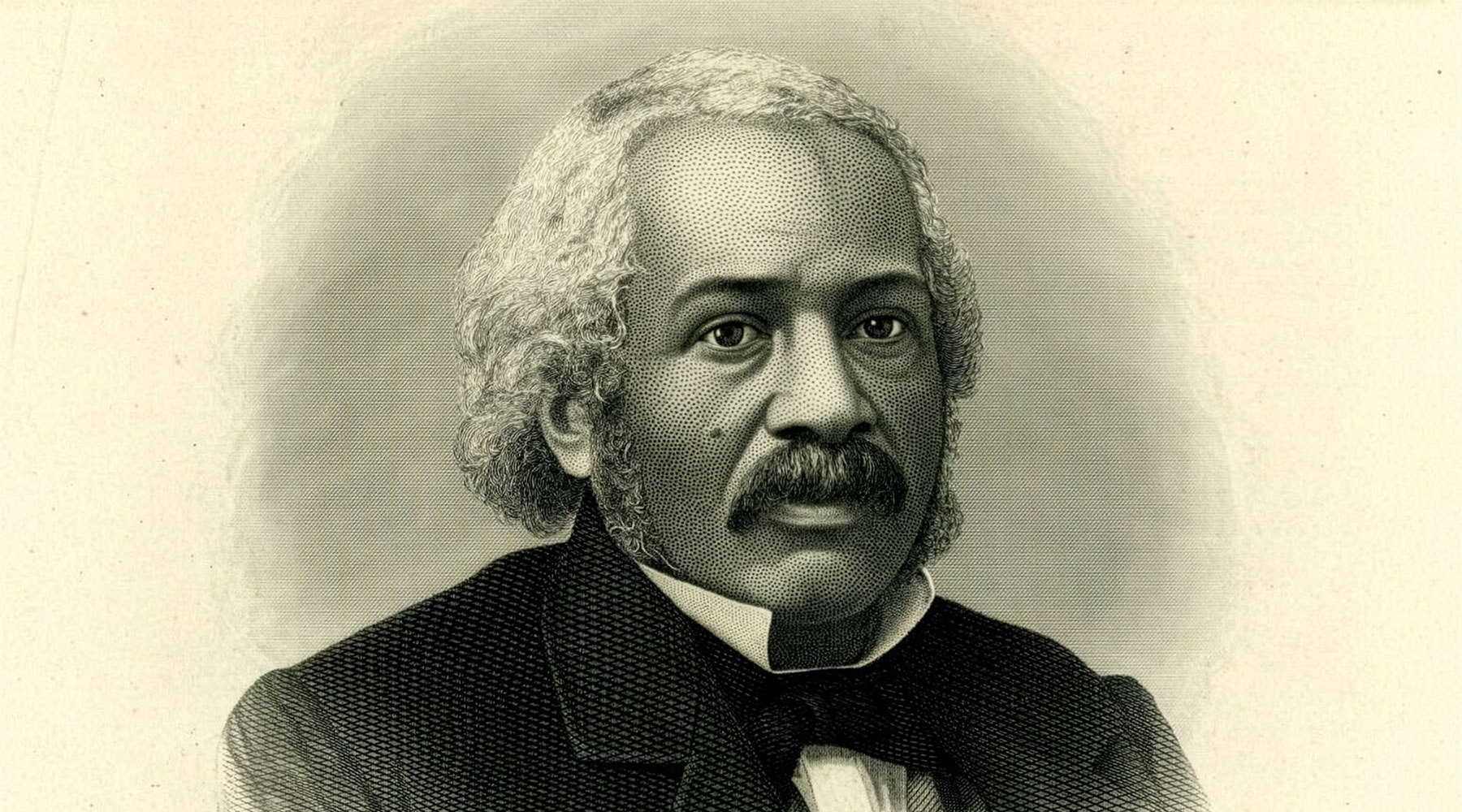
The first African American doctor to earn a medical degree and own a pharmacy in the United States
James McCune Smith is born in 1813 in Manhattan, New York City. His mother is enslaved, and he is born into slavery too. From an early age, he stands out for his academic achievements at the African Free School, where children of African descent receive an education. His teacher, the Reverend Peter Williams Jr, recognises his abilities and encourages him to continue his studies. In 1827, at the age of 14, Smith gains his freedom when emancipation is completed for enslaved people in New York State.
His dream is to become a doctor and help people. Despite his excellent academic performance, his applications to Columbia University and Geneva Medical College are rejected because of the colour of his skin. His mentor, however, encourages him to continue his studies in Europe and helps him raise the money for his journey and education at the University of Glasgow in Scotland.
Smith excels in his studies there, earning a degree in 1835 and a medical degree in 1837. Alongside his studies, he takes part in the campaign to abolish slavery and advocates equality. After further studies in Paris, he returns to New York in 1837, ready to practise medicine.
Smith becomes the first African American to earn a medical degree and practise as a doctor in the United States. He opens his own medical practice and the first pharmacy in the United States owned and operated by an African American. He treats patients regardless of the colour of their skin and works for almost twenty years at the Colored Orphan Asylum in New York, caring for children and helping to protect their health.
Alongside his medical work, Smith writes scientific articles and uses his knowledge to challenge racist theories presented as scientific facts. He works with people campaigning to abolish slavery, including Frederick Douglass, and publicly defends the rights of African Americans. Despite his scientific contributions, he faces racial discrimination and exclusion.
In 1863, he is appointed Professor of Anthropology at Wilberforce University, an institution that provides higher education to African Americans. However, his declining health prevents him from taking up the position. He dies on 17 November 1865, at the age of 52, just a few weeks before the abolition of slavery throughout the United States is formally ratified.
In 2018, 153 years after his death, the New York Academy of Medicine posthumously recognises him as an honorary member, addressing a historical injustice caused by racial discrimination.
I have striven to obtain education, at every sacrifice and every hazard, and to apply such education to the good of our common country!
Explore
1. Discover the human body!
James McCune Smith was the first African American to earn a medical degree. As a doctor, he examined people and helped them deal with illnesses. To do this, he needed a thorough understanding of the human body and its organs. How about exploring our bodies, too?
Find a large sheet of paper and lie on your back on it. Ask your brothers, sisters or parents to draw around your body. Print out and cut out the bones you can find here and the organs you can find here. Now try to place them in the correct positions on your outline! Where are our ribs? Where is our heart? Why do we have bones in our legs?
2. What is inside your home medicine cabinet?
As well as being a doctor, Smith was also a pharmacist! Pharmacists supply medicines and advise people on how to use them safely. But medicine cabinets contain other items that help us look after our health, too. What might these be?
With the help of an adult, find your home medicine cabinet and take a look at what is inside, without opening or using any of the products. How many different types of items can you identify? Which are medicines, and which are used for personal care or to protect against minor injuries? Why is it important to store these items properly and ask an adult for help when we need them?
Next time you visit your local pharmacy with an adult, take a closer look at how many different things you can find on its shelves!
3. Discover the museums of medicine!
Did you know that London is home to many museums dedicated to medicine, health and pharmacy? You can explore their collections on the London Museums of Health and Medicine website.
Discover the stories behind the Fleming Museum and the Freud Museum, the museums of pathology, dentistry and anaesthesia, the British Red Cross Museum, and even the Royal Botanic Gardens. From medical instruments and heart surgery to herbs, teeth, medicines and medical examinations, these museums will help you discover the many ways people work to protect and care for our health!