
Charles Richard Drew
A Pioneer in Modern Blood Banking Who Helped Save Thousands of Lives
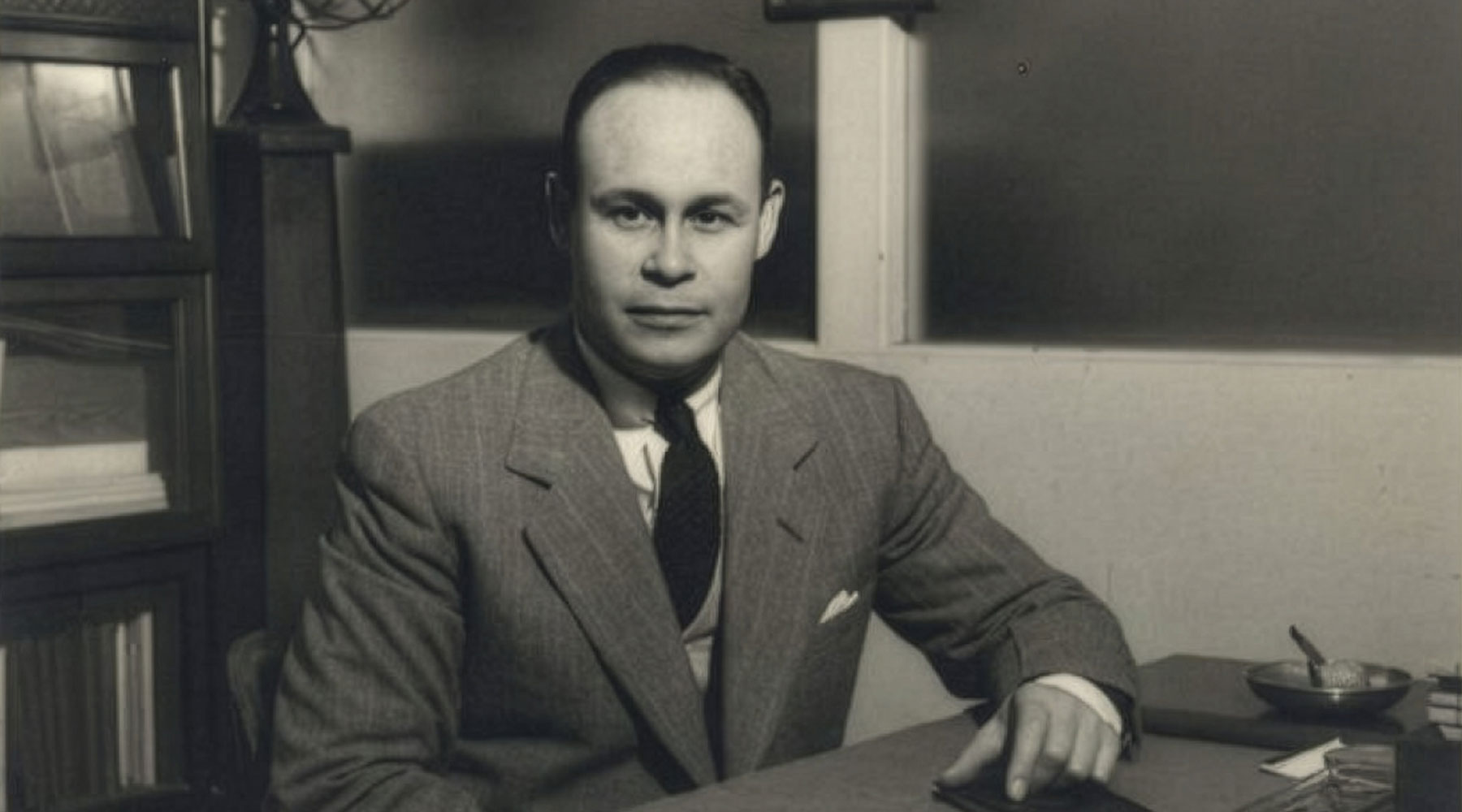
Charles Richard Drew was born on 3 June 1904 in Washington, D.C., in the United States. From an early age, he loved sports and excelled at school. After finishing school, he attended Amherst College, graduating in 1926. He wanted to become a doctor but did not have enough money to continue his studies. So, he worked as a teacher of chemistry and biology, saving money to make his dream come true.
Eventually, he was accepted into the medical school at McGill University in Canada. There, he became particularly interested in blood transfusions, the process of giving blood or its components to a patient who needs them. He wondered how blood could be preserved safely so that it would be available whenever it was needed. After graduating, he continued his research at Columbia University in New York City.
Drew studied plasma, the yellowish liquid component of blood. He looked for ways to collect, preserve and transport it safely so that it could be used to care for patients. His work helped doctors organise the collection and storage of blood and plasma more effectively, contributing to the development of modern blood banks.
In 1940, as the Second World War raged across Europe, Drew was appointed to organise the Blood for Britain programme. Its aim was to collect plasma in the United States and send it to Britain to help wounded soldiers and civilians. With his contribution, the programme coordinated more than 14,000 blood donations.
In 1941, Drew took part in organising a major blood donation programme for the American Red Cross. Soon, however, he came up against an unjust practice: officials decided that blood donated by Black people should be kept separate from blood donated by white people. Drew knew there was no scientific reason for this separation, and he objected. He eventually left the programme, refusing to accept this discrimination.
He then returned to Howard University, where he taught and worked as a surgeon, helping to train a new generation of doctors. In 1944, he received the Spingarn Medal, an important award presented by the National Association for the Advancement of Colored People (NAACP), in recognition of his contributions to medicine.
On 1 April 1950, Charles Richard Drew died at the age of 45 from injuries sustained in a car accident while travelling to a medical conference.
His work, however, continues to help people. His research contributed to the development of modern blood banks, making it easier to collect and preserve blood for those who need it. His story reminds us that science can save lives and that everyone deserves the same care, without discrimination.
There is no scientific basis for the separation of the bloods of different races except on the basis of the individual blood types or groups.
Explore
1. What Is Blood Made Of?
Blood is more than just a red liquid! It is made up of different components that work together to keep our bodies functioning properly. Most of it is plasma, a yellowish liquid that carries substances throughout the body. Floating in the plasma are red blood cells, which carry oxygen; white blood cells, which help protect the body from germs; and platelets, which help blood clot when we get injured.
Charles Richard Drew studied how blood and plasma could be preserved so that they would be available when patients needed them. How about exploring the different components of blood together? Download the Museum’s activity sheet here and make your own model of blood at home! What do you notice?
2. Do All Animals Have Red Blood?
Human blood is red. But what about other animals? The colour of blood depends, among other things, on the substances that carry oxygen around their bodies. For example, many animals have red blood, while some have green, blue or even purple blood!
Download the Museum’s memory game here and discover the different colours of blood in the animal kingdom. Print out the cards, shuffle them and try to match each animal to the correct blood colour. What differences do you notice?
3. What Is a Blood Bank?
Blood banks collect and store blood donated by voluntary blood donors so that it is available for patients who need it. Before it is used, the blood is tested and prepared appropriately to make sure it can be given safely.
Charles Richard Drew made important contributions to the development of methods for collecting and preserving blood and plasma. Thanks to blood donation, doctors can help people who have lost blood or need a transfusion.
If you would like to discover more about blood donation and why it is so important, we recommend reading the story of “Me, My Blood and Donating” by Shaun Gayle in the book you can find here. Have a good reading!