
Cabinets of Curiosities: The museums in our homes!
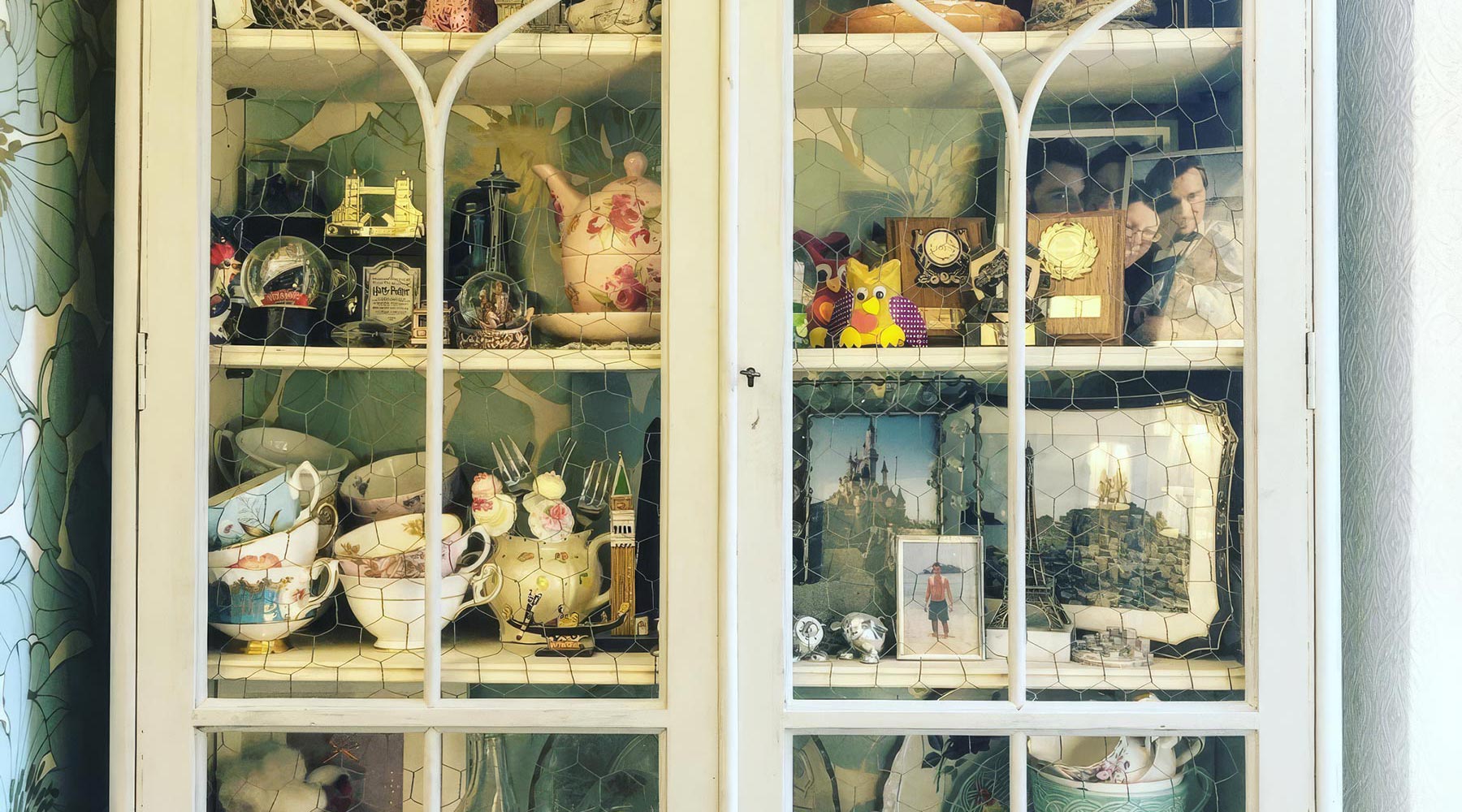
Did you know that some of the earliest museums began in… people’s homes?
Cabinets of Curiosities, also known as “wonder rooms”, appeared in Europe during the 16th and 17th centuries. They were collections of objects from art and nature, which could include dried plants, tools, coins, musical instruments, pictures and objects from distant lands. These collections gave people the opportunity to observe, compare and discover the world around them.
What might your own museum hold?
It’s time to explore your home and discover its own little collections! Which objects catch your eye? What could you collect from your bedroom, kitchen, bookshelf or garden? How would you organise your objects to present them to your museum’s visitors?
How do we get started?
- Discover your collections. Look closely at the objects around you and choose the ones that spark your curiosity. They could be toys, rocks, leaves, shells, old objects or little treasures you’ve kept.
- Organise your collection. Group your objects according to their material, shape, use or another characteristic. What similarities and differences can you spot?
- Create your museum. Choose a shelf, a box or a table to display your collection. Arrange the objects so that everyone can see them.
- Write your labels. Give each object a title and write a few words about what it is, where you found it or why you chose it. You could even imagine and write its own story!
- Welcome your visitors. Present your collection to your family or friends. Which object will impress them the most?
Don’t forget to send us photos of your very own Cabinet of Curiosities! We can’t wait to discover your collections.
#Tips
Would you like to visit a digital Cabinet of Curiosities? Explore the digital exhibition Cabinets of Curiosities: Microcosms of Wonder and Mystery and discover objects from different collections. Notice what makes each object special and imagine how you would arrange them if you were creating your own wonder room!
- Every collection can hold many stories! Choose an object and try to discover more about it. What is it made of? What is it used for? How old might it be? Sometimes, one small detail is all it takes to begin a great exploration.
- How does a museum decide what to display? Museums organise their collections in different ways, depending on the objects they have and the stories they want to tell. Try changing the order of your objects or creating a new group. How does the story your museum tells change?